Health Tips for Different Weather Conditions in 2026
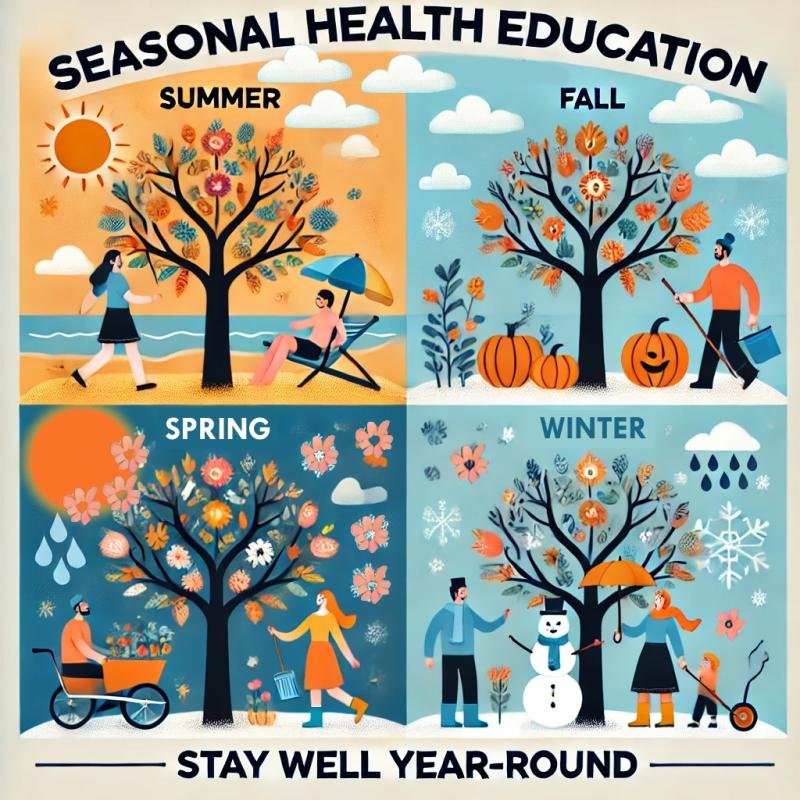
Weather can affect our health and daily comfort in many ways. Hot temperatures, cold weather, rain, and high humidity can all create different challenges for the body. Simple changes to your daily routine can help you stay comfortable and safe throughout the year.
In this article, we look at practical health tips for different weather conditions and explain when you should take extra care.
Table of Contents
- Health Tips for Hot Weather
- Health Tips for Cold Weather
- Health Tips for Rainy Weather
- Health Tips for Humid Weather
- Tips for Sudden Weather Changes
- Who Should Take Extra Care?
- When Should You Seek Medical Help?
- Frequently Asked Questions
Health Tips for Hot Weather
Hot weather can make the body work harder to maintain a normal temperature. Very high temperatures can increase the risk of dehydration and heat-related illness.
Stay Hydrated
Drink water regularly throughout the day, especially when spending time outside or exercising.
Wear Light Clothing
Choose loose, lightweight, and breathable clothing. A hat can also help protect you from direct sunlight.
Avoid Extreme Heat
Try to schedule outdoor activities during cooler parts of the day. Take regular breaks in a shaded or cool place.
Protect Your Skin
Use suitable sun protection and seek shade when spending a long time outdoors.
Know the Warning Signs
Dizziness, weakness, nausea, headache, confusion, or unusual tiredness during extreme heat should not be ignored.
Heat stroke is a medical emergency. If someone becomes confused, loses consciousness, has seizures, or develops signs of severe heat illness, seek emergency medical help immediately.
Health Tips for Cold Weather
Cold weather can contribute to dry skin and discomfort. During colder seasons, respiratory infections may also be more common in some locations.
Dress in Layers
Wear several suitable layers so you can adjust your clothing as the temperature changes.
Protect Your Skin
Cold and dry air can make your skin dry or irritated. Using a suitable moisturizer can help.
Stay Hydrated
Remember to drink enough fluids even when you do not feel very thirsty.
Be Careful on Slippery Surfaces
Rain, ice, and other slippery surfaces can increase the risk of falls. Wear suitable footwear and walk carefully.
Health Tips for Rainy Weather
Rainy weather can create wet roads, slippery surfaces, standing water, and damp indoor environments.
Keep Yourself Dry
Use an umbrella or raincoat when necessary. If your clothes become very wet, change into dry clothes when possible.
Wear Suitable Footwear
Water-resistant footwear can help keep your feet dry and provide better grip on wet surfaces.
Keep Your Home Dry
Check your home for leaks, excessive moisture, and condensation. Good ventilation can help reduce dampness and mould growth.
Wash Your Hands
Regular hand washing is a simple everyday habit that can help reduce the spread of infections.
Check Weather Alerts
During heavy rain, check local weather warnings and avoid unnecessary travel during dangerous conditions such as flooding or severe storms.
Health Tips for Humid Weather
High humidity can make it harder for sweat to evaporate. This can make hot weather feel more uncomfortable and can increase heat stress.
Wear Breathable Clothes
Choose lightweight and breathable clothing to stay more comfortable in humid conditions.
Drink Water Regularly
Maintain regular fluid intake, especially if you are sweating or exercising.
Keep Your Skin Dry
After bathing or sweating, dry your skin properly, especially in areas where moisture can remain.
Improve Airflow
Fans, air conditioning, and good ventilation can help make indoor areas more comfortable.
Prevent Indoor Dampness
Persistent moisture can encourage mould growth. Fix leaks and address damp areas as soon as possible.
Tips for Sudden Weather Changes
Weather can change quickly, especially during seasonal transitions. Preparing in advance can make these changes easier to manage.
- Check the weather forecast before going outside.
- Carry an extra layer when temperatures may change.
- Keep water available when traveling.
- Adjust outdoor exercise according to weather conditions.
- Avoid prolonged exposure to extreme heat or cold.
- Keep your home dry and properly ventilated.
- Maintain regular sleep, nutrition, hydration, and hygiene habits.
Who Should Take Extra Care During Extreme Weather?
Extreme temperatures can be more difficult for some people. Older adults, young children, outdoor workers, and people with certain health conditions may need additional precautions.
If you have a health condition or take regular medication, ask your healthcare professional whether you need special precautions during extreme weather.
When Should You Seek Medical Help?
Move to a more comfortable environment and rest if you experience mild weather-related discomfort.
However, seek medical attention if symptoms are severe, persistent, or getting worse.
During extreme heat, confusion, loss of consciousness, seizures, or other serious symptoms can indicate a medical emergency.
If you are unsure whether your symptoms are serious, contact a qualified healthcare professional.
Frequently Asked Questions
Does rainy weather cause a cold?
No. A common cold is caused by respiratory viruses. Getting wet in the rain does not directly cause a common cold.
What is the most important habit during hot weather?
Staying hydrated and avoiding prolonged exposure to extreme heat are important habits. Take regular breaks in cool or shaded areas when necessary.
Can humidity affect health?
Yes. High humidity can make it harder for sweat to evaporate and can make hot weather more difficult to tolerate. Persistent indoor dampness can also encourage mould growth.
How can I stay comfortable during cold weather?
Dress in suitable layers, protect exposed skin, stay hydrated, and keep your indoor environment comfortable.
Can I exercise outdoors during extreme weather?
You can adjust your exercise routine according to the weather. During extreme heat or severe weather, consider exercising indoors or during safer conditions.
Final Thoughts
Taking care of your health in different weather conditions does not require complicated routines. Staying hydrated, wearing suitable clothing, protecting yourself from extreme temperatures, and paying attention to weather warnings can help you stay comfortable and safe.
Small changes to your daily habits can make a big difference when the weather changes. If you experience serious or unusual symptoms, seek advice from a qualified healthcare professional.
Health Disclaimer
This article is for general educational and informational purposes only. It is not a substitute for professional medical advice, diagnosis, or treatment. If you have a medical condition, take medication, or experience serious symptoms, consult a qualified healthcare professional.